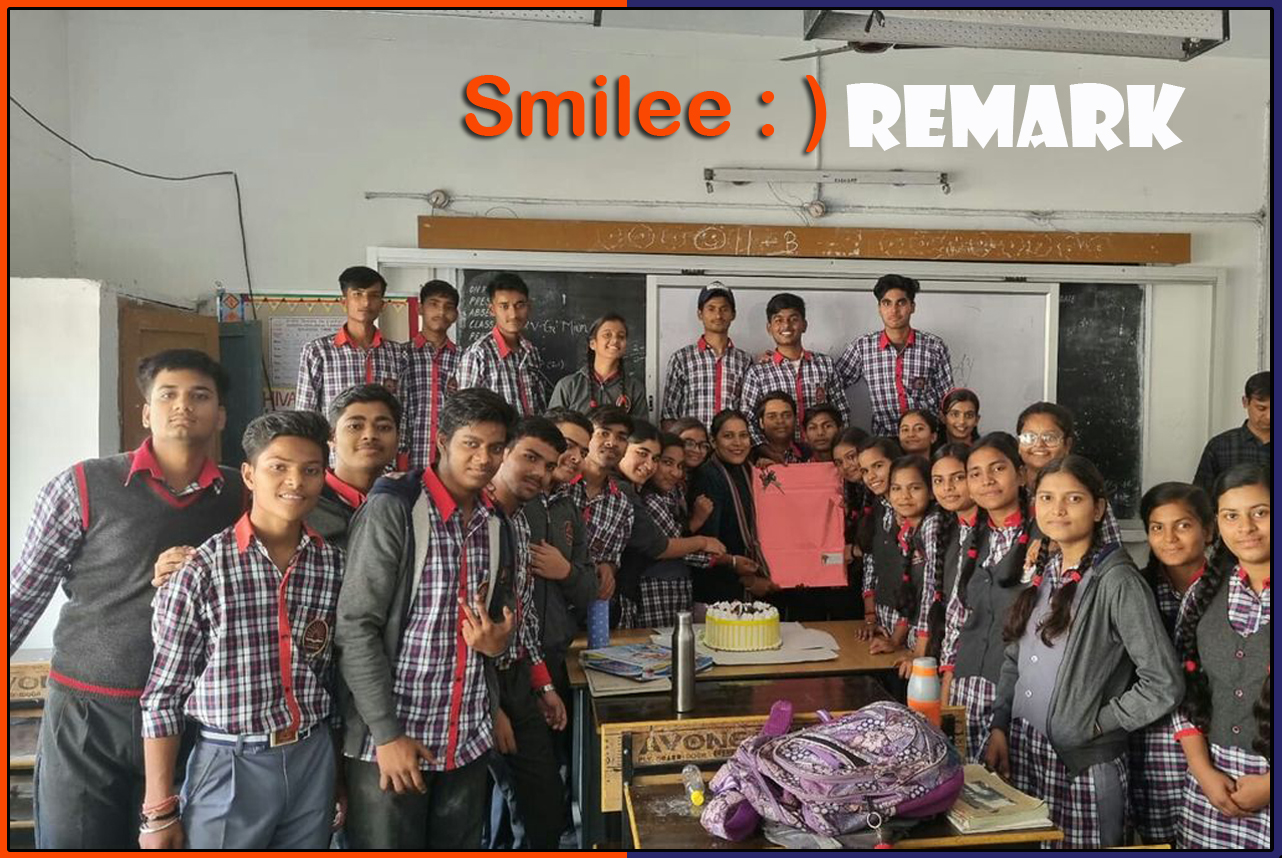
The Process of Selecting School Uniforms
School uniforms are an image-building and significant part of a student’s life, fostering a sense of unity and discipline within educational institutions. The selection process of uniforms is often cumbersome among the key players in the school uniform industry. There are several vital factors in the process of selecting school uniforms to confirm the standards, climatic conditions, comfort, durability, correct fit, and alignment with the institution’s dress code.
The Process of Uniform Making
Components of Weaving
Warp and weft are the two basic components of weaving and form the backbone of any woven fabric. These terms refer to the two sets of threads that are interlaced at right angles to create a textile. The warp threads run lengthwise, while the weft threads run across the width of the fabric. Together, they create a strong and stable structure for the fabric.
Fabric Production
Weaving: The process begins with weaving the chosen fibre into a durable and structured fabric. Plain weave is common for uniforms as it is strong and versatile.
Finishing: The fabric undergoes various finishing processes, such as singeing to remove loose fibres, and calendaring to achieve a smooth surface.
Colour Application: Dyeing is done post-weaving to ensure colourfastness. Uniforms often require school colours, which are achieved through precise dyeing techniques.
Quality Control: Each batch of fabric is inspected for consistency in colour, weave, and strength. Any defects are addressed before the fabric is released for uniform production. Uniforms must be made from high-quality, non-toxic materials that are safe for children’s skin, with strong and secure stitching.
Sustainability: With growing environmental concerns, some schools are opting for sustainable fabrics made from recycled materials or organic fibres, reflecting a commitment to eco-friendly practices.
Manufacturing Process of Uniforms
Cutting: The fabric is cut into patterns according to the uniform’s design.
Sewing: Skilled seamstresses and automated machines stitch the pieces together, ensuring neat seams and proper alignment.
Embellishments: School logos, stripes, or other distinguishing features are added through embroidery or appliqué.
Fitting: A crucial step before dispatching uniforms is fitting, ensuring they meet the required comfort and size specifications. Accurate sizing is essential for student comfort and a neat appearance. Arranging sizing sessions and taking precise measurements—or providing detailed size charts—are key factors.
Safety: Flame retardancy is a crucial factor, especially for younger students. Some uniforms incorporate flame-resistant fabrics to enhance safety.
Packaging: Uniforms are neatly folded and packaged, often with the school’s branding, before being shipped to the school or directly to students.
Factors for Deciding an Ideal Uniform
Durability: Uniforms are subjected to regular wear and tear. India’s tropical climate demands uniforms that are comfortable throughout the year. Children are active, so uniforms should withstand frequent washing and use. Polyester-cotton blends are popular due to their resilience and ease of maintenance.
Comfort: Breathability is essential, especially in a school environment where students are active. Cotton is a natural fibre that provides comfort and breathability, making it an ideal choice for summer uniforms. Fabric thickness and sleeve lengths should be chosen with local weather conditions in mind.
Culture: Every educational institution has its own set of rules regarding uniforms. Before making decisions, thoroughly review the school’s guidelines. The uniform should also reflect the school’s culture and values. Some schools may prefer traditional attire, while others opt for a modern approach.
Easy Care: Uniforms should be easy to wash and quick to dry. Polyester is a synthetic fibre known for its wrinkle resistance and minimal shrinkage, which is why it is often used in school trousers and skirts.
Cost-Effectiveness: Schools often require affordable solutions. Blended fabrics, which combine the benefits of natural and synthetic fibres, offer a balance of quality and affordability. Uniforms should be financially accessible to all students. During supplier negotiations, schools should consider business volume, payment plans, and bulk discounts to ease the financial burden on parents.
Functionality & Practicality: School uniforms should be practical for everyday activities, supporting both academic and sports purposes. Consider ease of movement, availability of pockets for essentials, and overall functionality. Avoid overly complicated designs that hinder comfort or physical activity.
Selection of Vendors: Partnering with a reliable school uniform supplier is crucial for ensuring quality and consistency. Look for suppliers with a proven track record, positive reviews, and a wide range of options. Consider fabric quality, stitching, customization options, and delivery timelines. Ensure suppliers also offer a good return policy.
Involvement of Parents and Students: Obtain periodic feedback from parents and students to ensure the chosen uniform meets their needs and preferences after use. Involving them in the process increases acceptance and satisfaction. Surveys and meetings are useful for gathering input on design options.
Conclusion
The selection and production of school uniforms are intricate processes that require careful consideration of comfort, durability, cost, and school identity. As trends evolve, so do the technologies and sustainability practices in uniform manufacturing, ensuring students are not only well-dressed but also comfortable and safe in their attire.